

Published: 24 September 2026
Meet the new ECMC Paediatric Drug Development Clinical Fellow
Dr Sam Harvey discusses his new Experimental cancer medicine centres (ECMC) Paediatric Fellowship, his research in childhood leukaemia, and his ambition to expand access to innovative cancer trials.
Published: 24 September 2026
As part of Childhood Cancer Awareness Month, we spoke to Dr Sam Harvey, who was recently awarded the Experimental cancer medicine centres (ECMC) Paediatric Fellowship with our Cambridge centre. He discusses his career journey, research interests, and how the fellowship is helping him develop the skills needed to bring innovative new treatments and clinical trial opportunities to children and young people with cancer.
The ECMC Paediatric Fellowship provides an opportunity to work within paediatric ECMCs alongside oncology and haematology drug development teams, gaining experience in early phase clinical trials and exposure to innovative treatments for children and young people with cancer.
What attracted you to this fellowship, and why was it the right next step for your career?
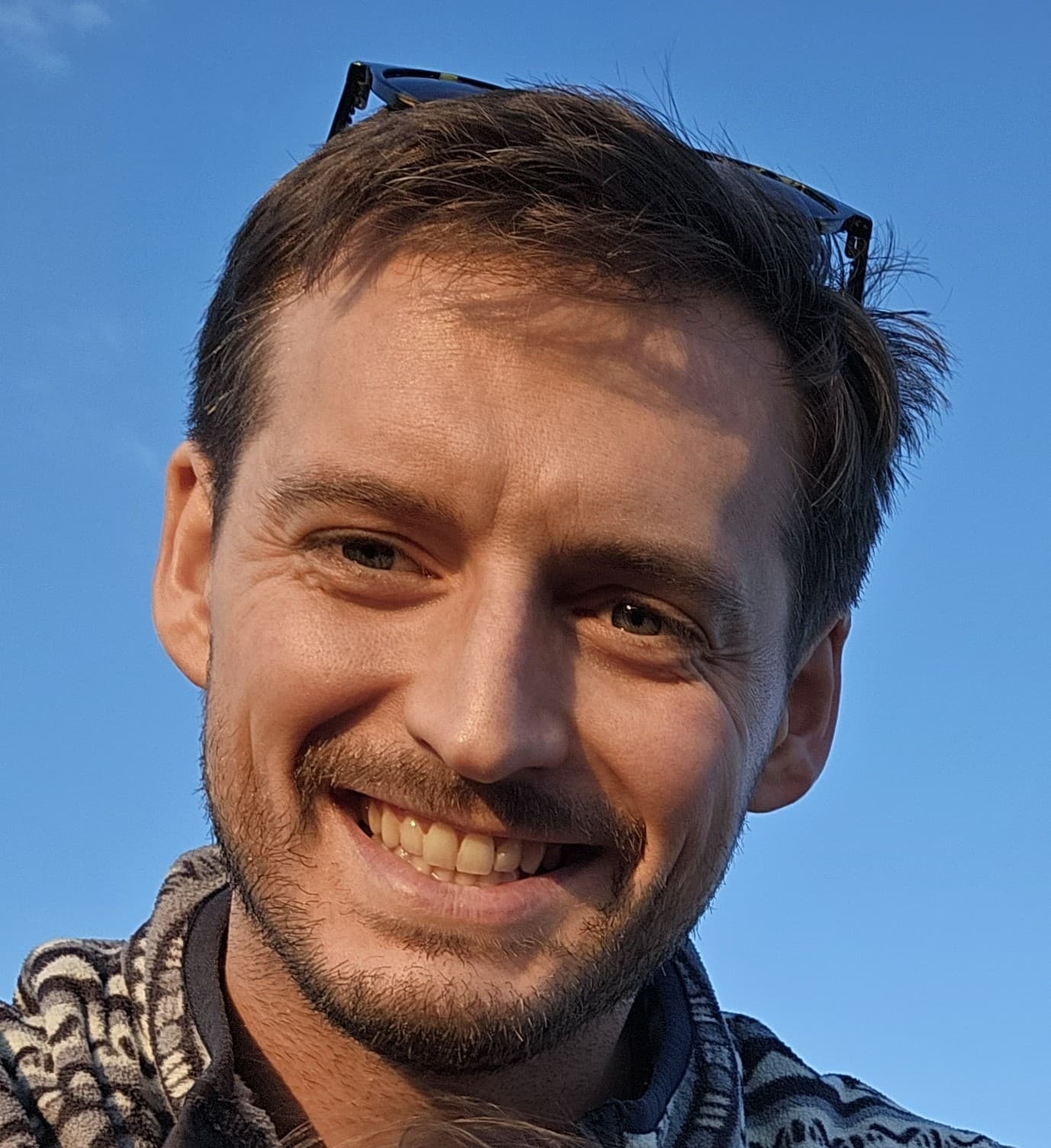
For the past three years, I've worked as an Academic Clinical Fellow in paediatric haematology, with a focus on laboratory-based research. At the same time, I've developed clinical experience as a Haematology SpR across paediatric and adult haematology-oncology, including placements in a paediatric tertiary centre and a haematopoietic stem cell transplant centre.
During that time, I realised I wanted to develop my understanding of the drug development pathway itself and the wider process behind bringing new treatments to patients, including trial set-up, funding and regulatory approval.
Given how much my future patients in paediatric malignant haematology will depend on clinical trials and novel treatment options, this felt like a natural progression.
What really confirmed it for me was experiencing the ECMC network first-hand at the Junior Investigator Network Group (JING) cohort event in 2026. It opened my eyes to the career and clinical opportunities beyond traditional training. I was keen to become part of that network through the fellowship, which offers invaluable opportunities to develop skills in trial management, research delivery, networking and understanding how novel therapies are brought to children with cancer.
Ultimately, it's about building the capability to bring novel treatments and clinical trial opportunities to my patients throughout my future career, with the long-term goal of helping to develop that same capability within my own centre.
Can you tell us a little about the research area you'll be focusing on and why it's important?
I'm particularly interested in the integration of genomics and cytogenetics into treatment pathways for paediatric leukaemia. This builds on my earlier laboratory-based work developing a proof-of-concept oncolytic virus therapy for B-cell acute lymphoblastic leukaemia (ALL).
I'm interested in applying that translational approach to paediatric T-cell acute lymphoblastic leukaemia (T-ALL). In particular, exploring novel therapies and new targets for a subgroup where outcomes still lag behind those seen in some other childhood leukaemia.
The fellowship also gives me the opportunity to move into early-phase clinical trials, which is a new area of academic and research development for me. It bridges my background in laboratory-based proof-of-concept research with clinical trial delivery in paediatric haemato-oncology.
I'm keen to gain experience across all aspects of early-phase trials, from trial design and set-up to biomarker discovery, patient management and the wider drug development process. These opportunities will help me to develop a genuine end-to-end understanding of how these studies are delivered and how new treatments reach patients.
What opportunities do you hope to gain from working within the ECMC network?
It's not just about learning how to set up and manage early-phase trials within an ECMC-backed unit with an established research and trial team, though that in itself is a rare opportunity. It's also about using the network as a platform for personal development and building professional relationships that I know will be invaluable for years to come. I'm hoping to gain exposure to all aspects of trial delivery and drug development, while developing the skills and experience needed to take on greater responsibility in research in the future.
Beyond the technical skills, it's genuinely exciting to be part of a community with this level of reach and impact, all working towards better treatments, better care and a better quality of life for children with cancer.
What advice would you give to other clinicians or researchers thinking about applying for a fellowship in this field?
My advice would be:
Don't underestimate how much your existing clinical experience gives you. Time spent with patients and families, especially in complex or challenging situations, is genuinely valuable experience.
Stay curious about the parts of the pathway you haven't yet seen. Learning about funding, regulatory approvals, and how a good idea becomes a feasible and fundable research project are hugely important skills, and a fellowship like this offers rare opportunities to gain direct exposure to them.
Take networking opportunities seriously. The relationships you build can be just as important as the technical knowledge you gain.
Explore our network
Our paediatric network
Our 12 paediatric centres bring together clinicians and translational scientists to run early-phase clinical trials for children and young people affected by cancer.