

Patients and public
People affected by cancer support us across our early-phase clinical studies. They can get involved by joining our research panels, helping develop accessible resources and being research advocates.
Putting people affected by cancer at the heart of our research
We recognise the importance of involving people affected by cancer in our work and the positive impact it can have on the research taking place at our centres.
Engaging with patients and the public helps us deliver patient-centred research and makes sure our work truly reflects the needs of those it is designed to help.
We are committed to making cancer research open and accessible to everyone. By working closely with patients and local communities, we aim to design trials that are inclusive, visible and accessible to everyone.
Are you a patient looking for trials?
Use the Cancer Research UK search page to find a trial by cancer type, drug name or trial name.
Our commitment to patient involvement

Engage
Increase access to research through engaging with patients and the public.

Involve
Deliver truly patient-centred research by involving diverse patients and the public in trial design and delivery.

Prioritise
Prioritise the patient and public voice, making sure that patients and the public input into strategic decision making.
How we involve patients
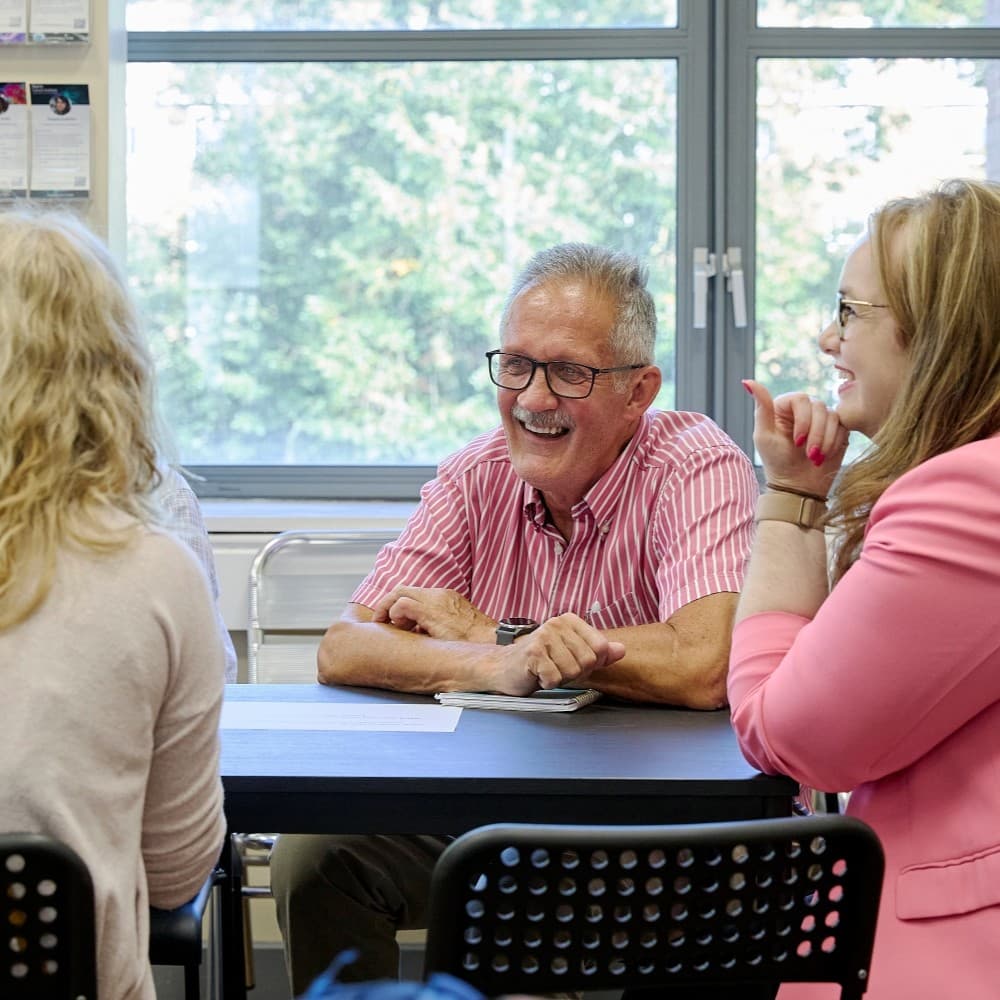
Our dedicated patient involvement forum
This forum contributes to programme office–led projects and provides input to early-stage research projects led by researchers from our network.
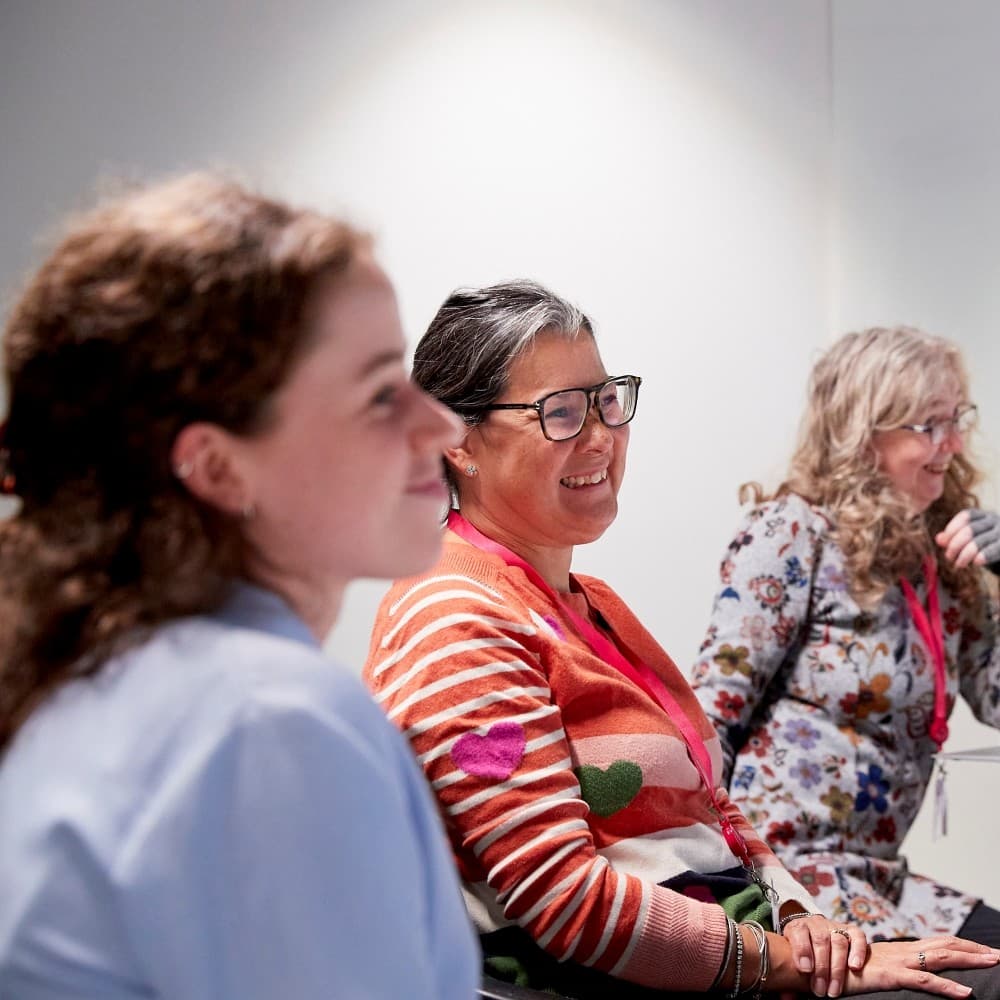
Support involving patients and public in research
Each adult centre has a dedicated patient and public lead who advises our centres on how to involve people affected by cancer in their research. Find out more under the key contacts section on our network pages.
You might also be interested in
About us
We're a UK-wide network of 29 adult and paediatric centres delivering early-phase clinical trials to help develop new treatments for cancer.
Latest news
Explore the latest articles, updates, interviews and news from our network.
How we work
Learn more about how we support our network and our partners to successfully collaborate and deliver early-phase clinical trials.